Katalyst Space's Failed In-Orbit Rescue Forces NASA to Retire the 22-Year-Old Swift Telescope
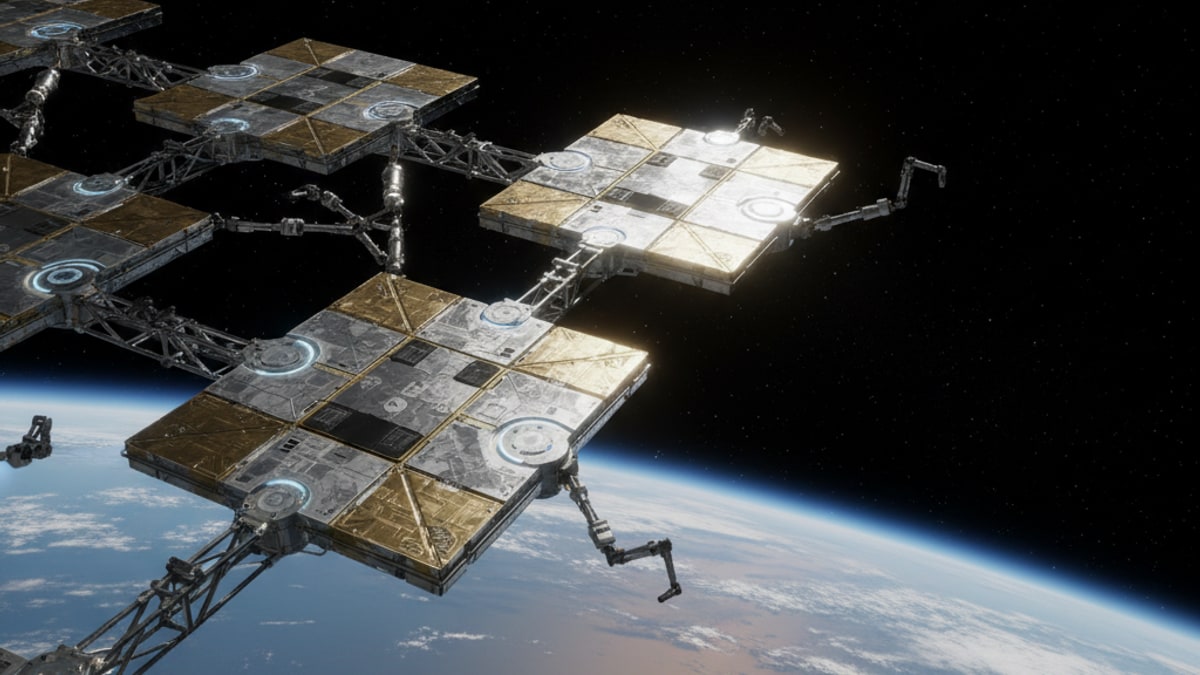
As the space industry races to build an in-orbit servicing economy, a high-profile failure has highlighted the extreme difficulty of manipulating legacy hardware. Colorado-based Katalyst Space Technologies' ambitious attempt to rescue a dying NASA telescope has ended without a save, forcing the space agency to permanently retire the 22-year-old observatory.
The commercial space sector has long promised a future where aging satellites are refueled and repaired rather than abandoned, but executing that vision remains fraught with risk. On Tuesday, the fallout from a failed commercial rescue mission became permanent as NASA officially pulled the plug on its Neil Gehrels Swift Observatory. The decision follows an unsuccessful summer attempt by Broomfield, Colorado-based startup Katalyst Space Technologies to capture the falling telescope and boost its orbit using a robotic servicing spacecraft named LINK.
Katalyst's mission was unprecedented in its complexity. Unlike modern satellites equipped with standardized docking plates, the 2004-vintage Swift telescope was never designed to be serviced, requiring LINK to autonomously approach and grapple the non-cooperative target. However, shortly after its July launch, the commercial servicer suffered attitude-control anomalies that caused an uncontrollable spin, forcing Katalyst to abandon the capture and deorbit the spacecraft in September.
Without the planned orbital lift, the Swift telescope succumbed to atmospheric drag, dropping to an unsustainable altitude of 171 miles before NASA transmitted the final shutdown command. While the outcome is a setback for Katalyst, the attempt itself marks a critical data point for the broader orbital logistics market. The failure underscores why companies like Northrop Grumman and Astroscale are pushing for standardized docking interfaces on all future satellites, as servicing unprepared legacy hardware remains the hardest challenge in the space economy.
INTELLIGENCE BRIEF
WHY IT MATTERS
The inability to rescue Swift demonstrates the technical limits of current in-orbit servicing capabilities. It reinforces the industry-wide push to mandate standardized docking fixtures on all future government and commercial satellites.
WHO IS INVOLVED
MARKET IMPACT
While the failure highlights the risks of servicing non-cooperative targets, the fact that NASA trusted a venture-backed startup with a $30 million rescue contract signals a permanent shift toward relying on commercial providers for orbital logistics.
This story was drafted with AI assistance and reviewed by TurkSpark editors before publication. Facts, figures, and names may be inaccurate — verify important details independently.
CAS Space Completes Ground Tests for Reusable Lihong 2 Spacecraft Ahead of 2027 Debut
Read
German deeptech startup MuRay raises €7.1M to inspect 3D-printed rocket engines with muons
Read