RBC Signals Secures $10M to Break the Ground Station Bottleneck With Optical Communications
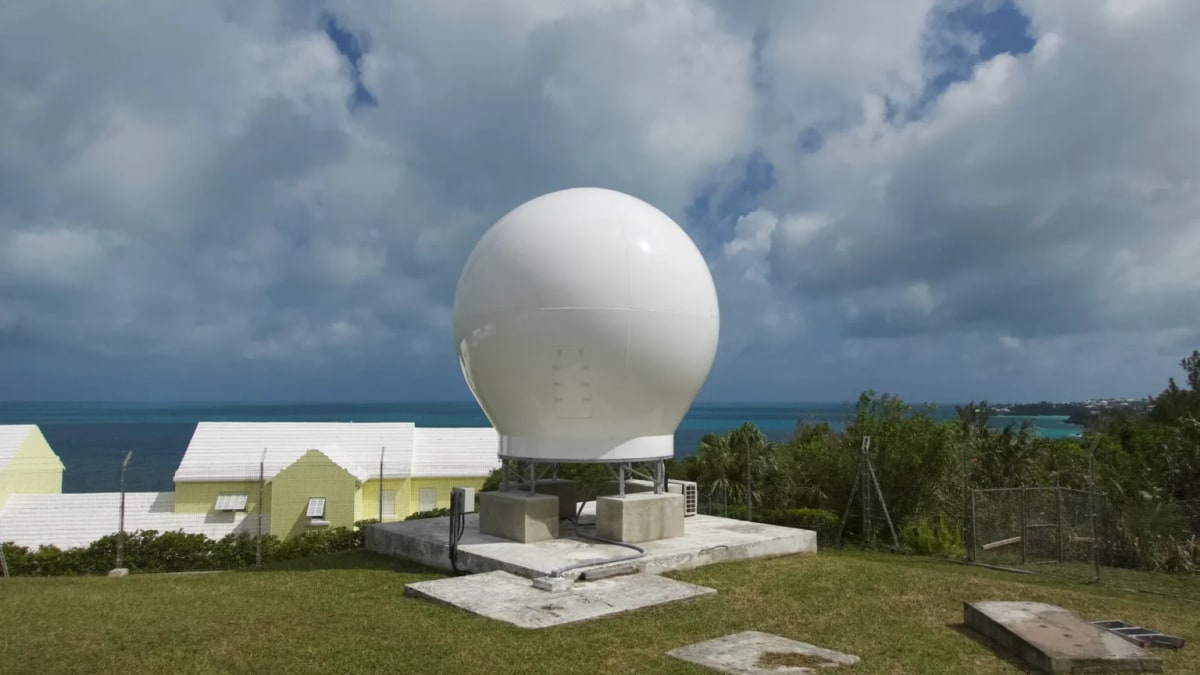
As mega-constellations generate more orbital data than traditional radio frequencies can handle, Washington-based RBC Signals has raised $10 million to scale its global network of optical ground stations and intersatellite links.
As the commercial space industry races to deploy mega-constellations and orbital data centers, the sector's primary chokepoint is shifting from launch capacity to data downlink. Satellites are capturing and generating unprecedented volumes of data, but moving that information back to Earth relies on a fragmented, aging network of traditional radio-frequency ground stations.
To address this growing bottleneck, Redmond, Washington-based RBC Signals has secured a $10 million funding round led by Washington Harbour Partners. The fresh capital will be used to commercialize next-generation communication technologies, including optical (laser) ground communications, intersatellite links, and space domain awareness capabilities. The company operates a "network of networks" model—often likened to cloud computing for space—aggregating idle capacity from existing global antennas while deploying its own specialized infrastructure.
The investment follows a period of aggressive expansion for the startup. Over the past year, RBC Signals acquired tracking antennas from Microsoft, integrated Blue Origin's new Quartz ground stations into its global network, and partnered with French deep-tech firm Cailabs to co-develop an optical ground station network. As projections point to as many as 100,000 active satellites in orbit by 2030, the ability to seamlessly route data between spacecraft and terrestrial networks using high-bandwidth lasers will become a critical utility for the entire space economy.
INTELLIGENCE BRIEF
WHY IT MATTERS
With orbital launch costs dropping, the space industry's limiting factor is now data transmission. Upgrading ground infrastructure to support optical communications is essential for the viability of next-generation Earth observation and space-based AI computing.
WHO IS INVOLVED
RBC Signals, Washington Harbour Partners, Blue Origin, Microsoft, Cailabs
MARKET IMPACT
The shift toward laser-based optical communications will dramatically increase the bandwidth available to satellite operators, enabling real-time data processing and reducing reliance on congested radio frequencies.
This story was drafted with AI assistance and reviewed by TurkSpark editors before publication. Facts, figures, and names may be inaccurate — verify important details independently.

Norwegian Startup Tycho Space Raises $3.1M to Bring Edge Computing to Orbit
Read
Google Books Blue Origin's New Glenn to Launch 'Project Suncatcher' Orbital AI Data Centers
Read