Norwegian Startup Tycho Space Raises $3.1M to Bring Edge Computing to Orbit
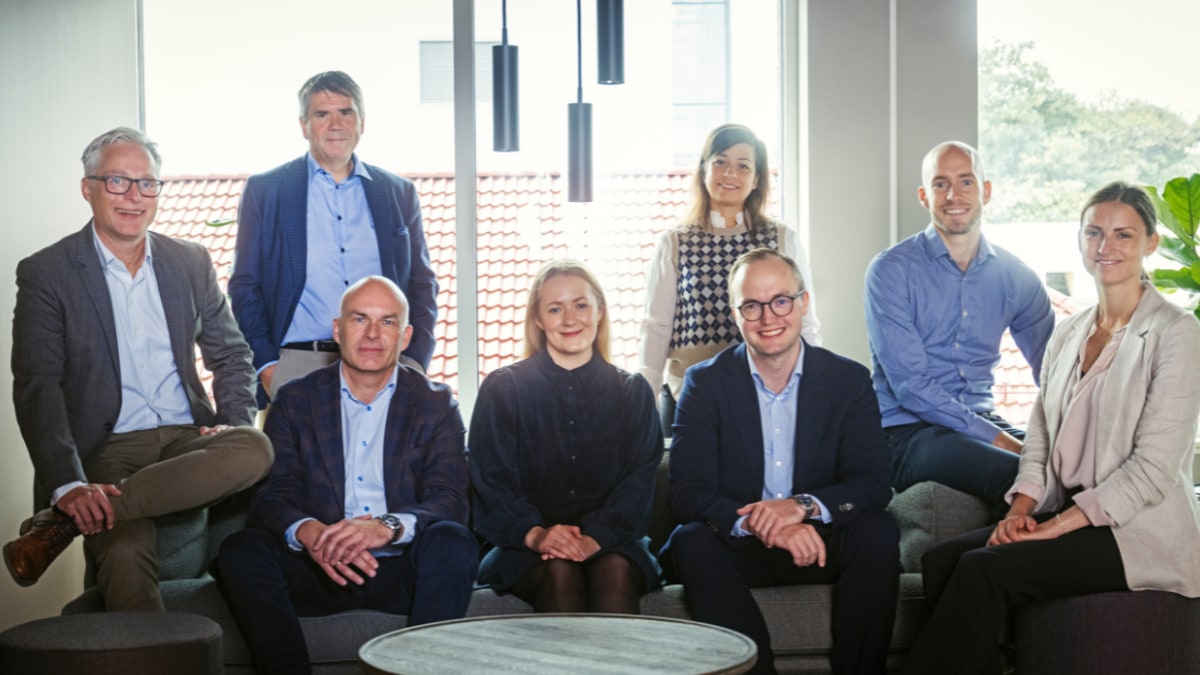
As Earth observation satellites capture more data than ground stations can download, Norwegian startup Tycho Space has raised $3.1 million to put edge computing directly into orbit.
The commercial space industry is facing a severe data bottleneck. As Earth observation constellations multiply, satellites are capturing far more high-resolution imagery than ground stations can efficiently download and process. This bandwidth constraint creates a massive backlog, delaying critical maritime, environmental, and security intelligence from reaching decision-makers on the ground.
To solve this orbital traffic jam, Norwegian space-tech startup Tycho Space has raised a $3.1 million pre-seed round backed by CoFounder, Sarsia, Fortress Fund, and StartupLab. Founded by former Norwegian University of Science and Technology (NTNU) students, the company is building a modular, Linux-based edge computer called TychoBoB. Rather than beaming massive raw files back to Earth, the radiation-tolerant hardware processes data directly in low Earth orbit (LEO). This allows satellites to autonomously flag specific events—such as illegal fishing vessels or oil spills—and transmit only the actionable intelligence.
The approach mirrors the terrestrial shift toward edge computing, where data is analyzed at the source rather than in a centralized cloud. While established aerospace primes focus on building larger communication pipes, startups like Tycho are treating satellites as floating data centers. The company plans to test its onboard processor on the University of Oslo's CENSSAT-1 mission in 2027. If successful, the technology could dramatically reduce latency for maritime surveillance, shifting satellites from passive cameras into active, autonomous decision-making nodes.
INTELLIGENCE BRIEF
WHY IT MATTERS
By moving computation into space, startups like Tycho are addressing the sector's most pressing bandwidth constraints. Processing data on orbit transforms satellites from simple data-gathering tools into autonomous intelligence assets.
WHO IS INVOLVED
Tycho Space co-founder and CEO Martin Modell Grande; investors CoFounder, Sarsia, Fortress Fund, and StartupLab.
MARKET IMPACT
The shift toward orbital edge computing threatens legacy ground-station business models while opening new markets for real-time maritime and defense intelligence.
This story was drafted with AI assistance and reviewed by TurkSpark editors before publication. Facts, figures, and names may be inaccurate — verify important details independently.

Inflection Space Systems Books First Mission to Bring the 'Costco Model' to Satellite Manufacturing
Read
RBC Signals Secures $10M to Break the Ground Station Bottleneck With Optical Communications
Read