Interlune and Vermeer Expand Partnership to Build Autonomous Lunar Excavators for 2028
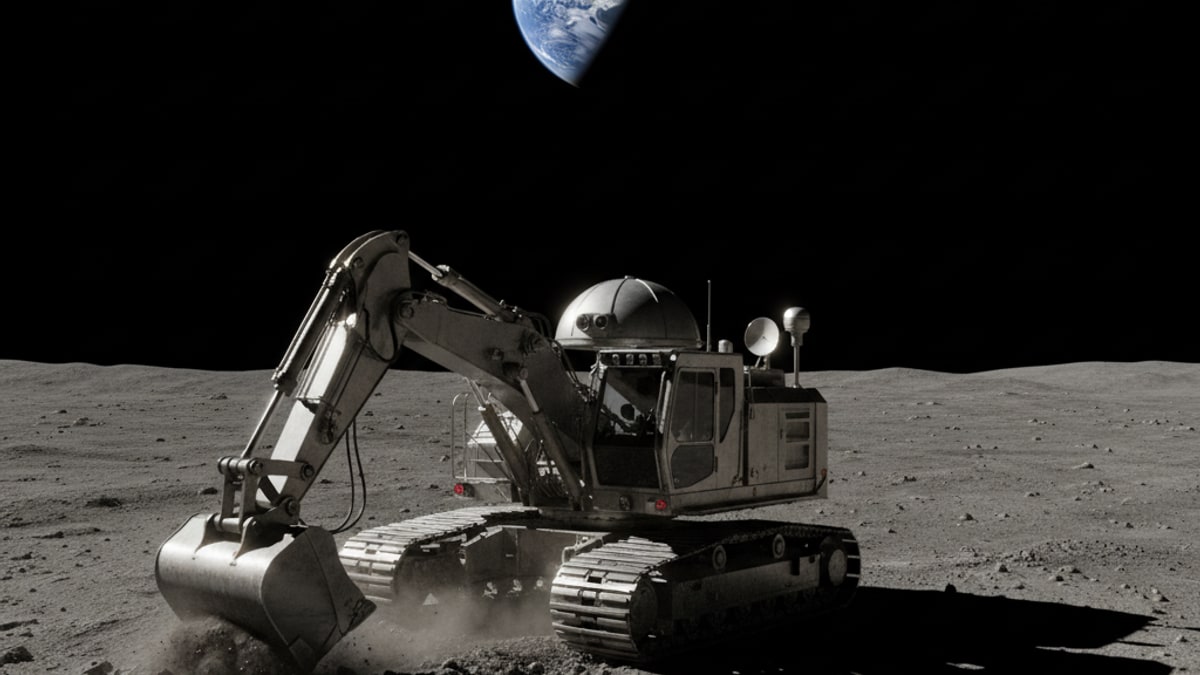
As the commercial space industry shifts from reaching orbit to building off-world infrastructure, Seattle-based startup Interlune has expanded its partnership with industrial giant Vermeer to deploy autonomous lunar excavators by 2028.
The race to establish a permanent human presence on the Moon has created a massive demand for off-world construction and resource extraction. To meet this need, Seattle-based space startup Interlune and heavy equipment manufacturer Vermeer announced an expanded strategic partnership today to build autonomous lunar excavation machinery. The collaboration aims to deliver a mission-ready robotic harvester by 2028, aligning with NASA's accelerated Moon Base timeline.
Operating in the abrasive and dusty lunar environment makes human-tended hardware impractical, forcing a reliance on fully autonomous systems. The planned electric excavators are designed to dig up to three meters deep and process 100 tonnes of lunar regolith per hour. After scooping and heating the soil to extract trapped solar-wind gases, the machines will redeposit the waste material without on-site human intervention.
Unlike traditional aerospace companies building bespoke rovers, Interlune—founded by former Blue Origin executives and Apollo 17 astronaut Harrison Schmitt—is adapting terrestrial industrial heavy machinery for space. The primary target is Helium-3, a rare isotope on Earth that is highly sought after for quantum computing cooling systems and future fusion reactors. By partnering with an established construction manufacturer, Interlune is attempting to bridge the gap between experimental space robotics and heavy-duty commercial mining.
INTELLIGENCE BRIEF
WHY IT MATTERS
Extracting resources directly from the lunar surface is critical for sustaining long-term space missions without relying on expensive Earth-based supply chains. If successful, this autonomous mining infrastructure could unlock a multi-billion dollar market for Helium-3 while laying the groundwork for off-world construction.
WHO IS INVOLVED
MARKET IMPACT
The collaboration signals a shift where traditional terrestrial industrial companies are entering the space economy. It moves lunar mining from theoretical research to heavy-equipment engineering.
This story was drafted with AI assistance and reviewed by TurkSpark editors before publication. Facts, figures, and names may be inaccurate — verify important details independently.
Firefly Aerospace Inks Deal to Host Lunar Navigation System on Elytra Orbital Vehicle
Read
SEOPS Inks Multi-Launch Deal With Stoke Space to Secure Rideshare Capacity on Nova Rocket
Read