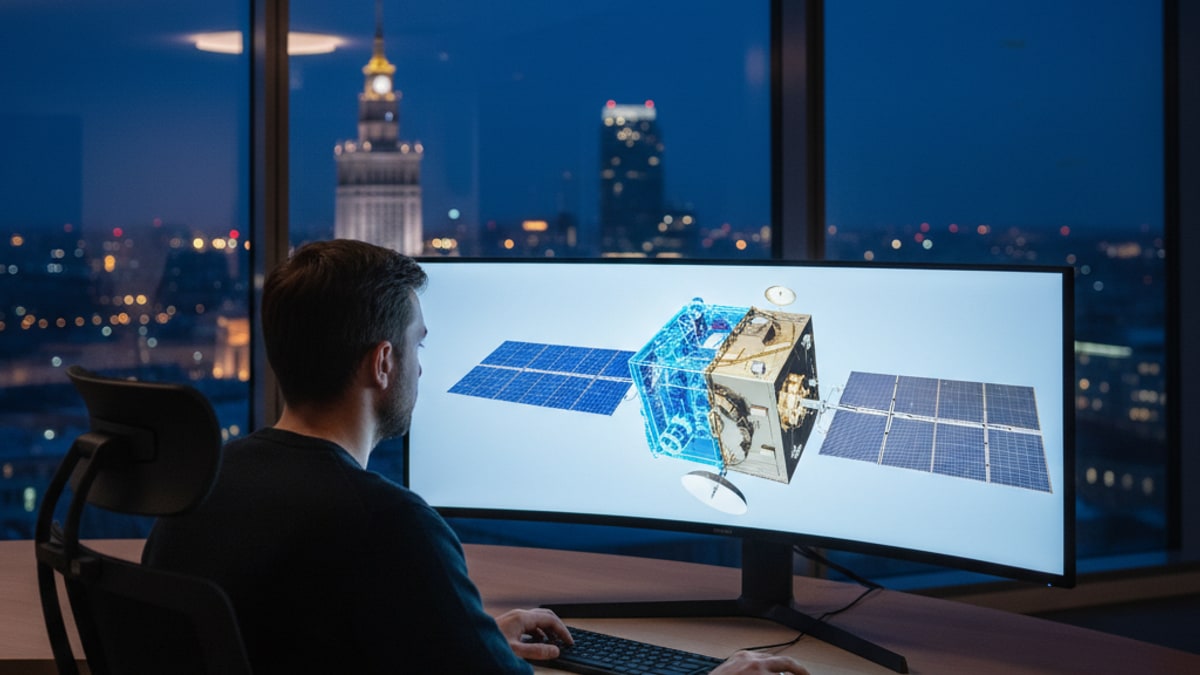
Genesis AI Secures $500M at $3.5B Valuation to Solve the Robotics Dexterity Bottleneck
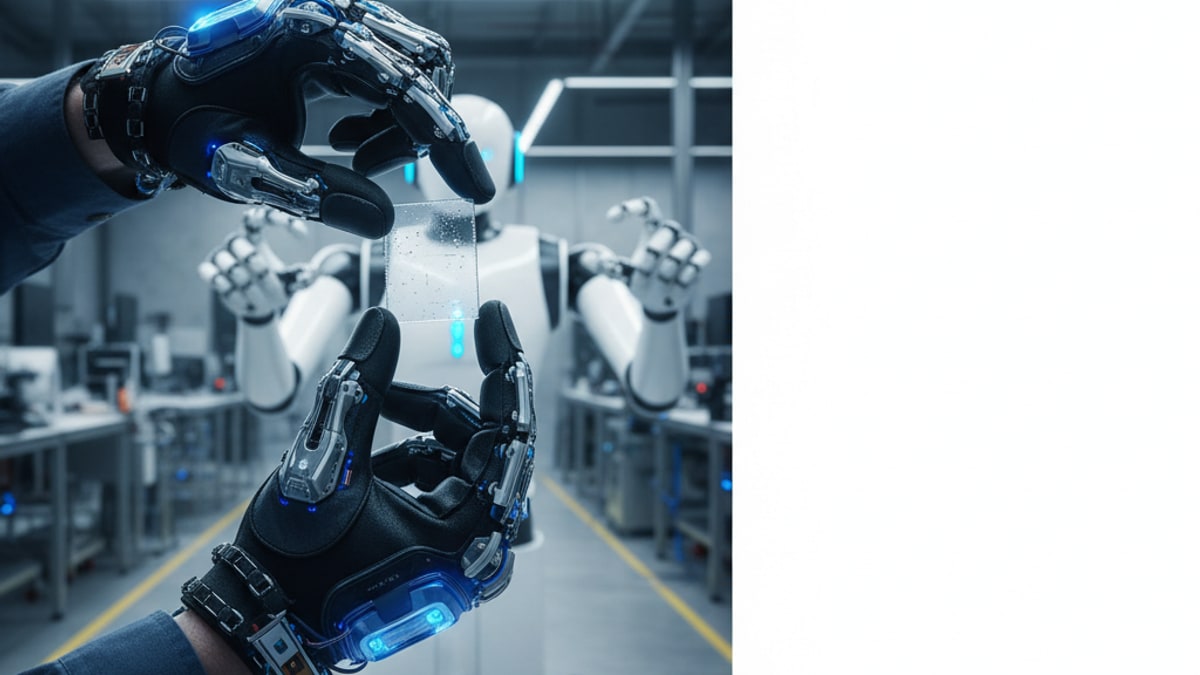
As humanoid robotics companies struggle to move beyond basic locomotion, Paris-based Genesis AI has raised $500 million to focus entirely on dexterous manipulation. The massive Series A validates a contrarian approach: using human-worn sensor gloves to train factory robots before they ever touch a production line.
The robotics industry has largely solved how machines walk and navigate, but teaching them to reliably grasp, fold, and manipulate objects remains a critical bottleneck. Addressing this gap, Paris-based Genesis AI has emerged with a $500 million Series A at a $3.5 billion valuation. Co-led by Premji Invest, Khosla Ventures, and Eclipse, the round positions the 2024-founded startup as a heavyweight in the race to deploy general-purpose robots in manufacturing and logistics.
Unlike competitors such as Figure or Agility that prioritize full-body humanoid locomotion, Genesis focuses intensely on hand dexterity. The company's training pipeline relies on sensor-equipped gloves and headset cameras worn by human workers to capture precise force and movement data. This human-generated telemetry feeds into GENE, the startup's foundation model, which then controls its wheeled, multi-jointed robot, Eno. By mapping human hand movements directly to robotic hardware, Genesis aims to bypass the limitations of purely simulated training environments.
The massive capital injection reflects a shift in physical AI investment from flashy demonstrations to industrial reliability. Genesis plans to use the funds to scale its computing infrastructure and begin mass production of Eno, targeting factory and warehouse deployments by the end of 2026. If the company can maintain high success rates across complex, multi-step workflows, it could unlock a new tier of automation for tasks previously thought too delicate for machines.
INTELLIGENCE BRIEF
WHY IT MATTERS
The $500 million round underscores a strategic pivot in venture capital toward vertical integration in physical AI. By designing the hardware, the foundation model, and the data-collection apparatus in tandem, Genesis is betting that owning the entire stack is the only way to achieve the 99.9% reliability required for enterprise deployments.
WHO IS INVOLVED
Genesis AI co-founders Zhou Xian and Théophile Gervet, alongside lead investors Premji Invest, Khosla Ventures, and Eclipse.
MARKET IMPACT
As Genesis moves toward commercial production, incumbent automation providers and rival humanoid startups will face increased pressure to prove their systems can handle fine motor tasks. This could accelerate a broader industry shift away from bipedal walking robots toward specialized, dexterity-first form factors.
This story was drafted with AI assistance and reviewed by TurkSpark editors before publication. Facts, figures, and names may be inaccurate — verify important details independently.
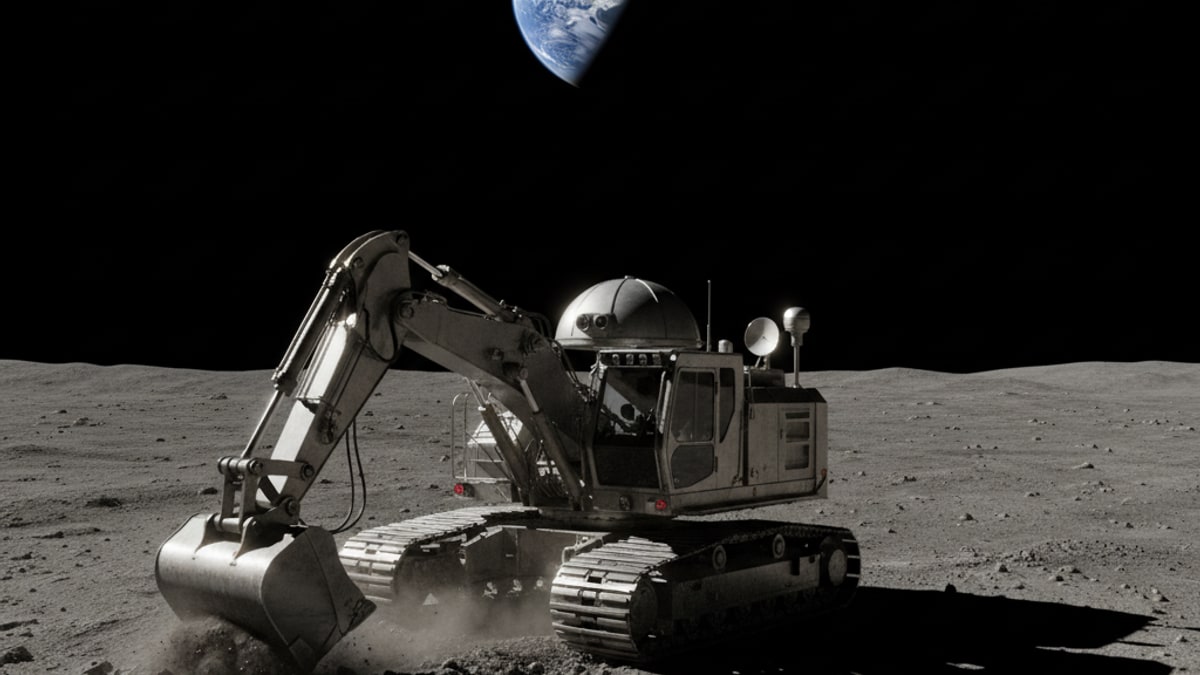
Interlune and Vermeer Expand Partnership to Build Autonomous Lunar Excavators for 2028
Read
each::labs Secures $7M Seed to Build the 'Zapier for AI Models' With Automatic Failover
Read