Blue Origin Abandons Orbital Reef Space Station to Go All-In on the Moon
Jeff Bezos' space venture has withdrawn from NASA's commercial space station competition, shelving its Orbital Reef project to consolidate resources around lunar landers and cislunar infrastructure.
As NASA races to foster commercial successors to the aging International Space Station, one of the program's heaviest hitters is bowing out. Blue Origin confirmed today that it will not submit a proposal for Phase 2 of NASA's Commercial Low Earth Orbit Destinations (CLD) program, effectively putting its ambitious Orbital Reef space station on hold. The decision marks a major strategic pivot for the Jeff Bezos-founded company, which secured a $130 million Phase 1 contract in 2021 to develop the mixed-use business park in space alongside partners Sierra Space and Boeing.
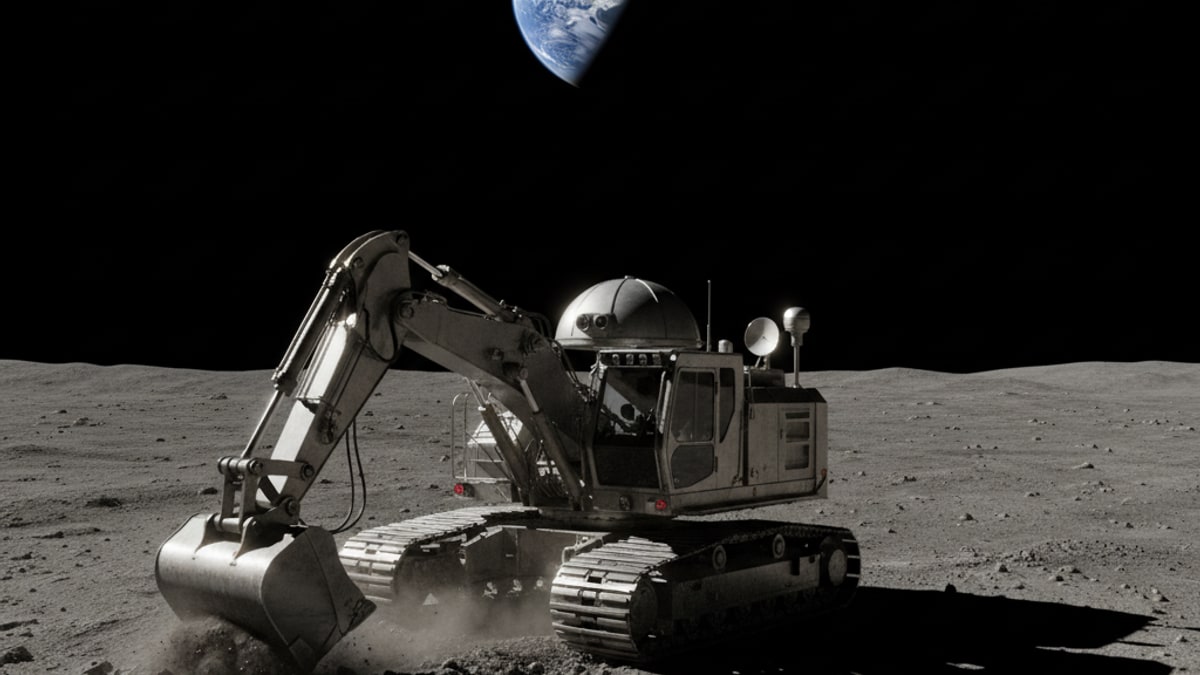
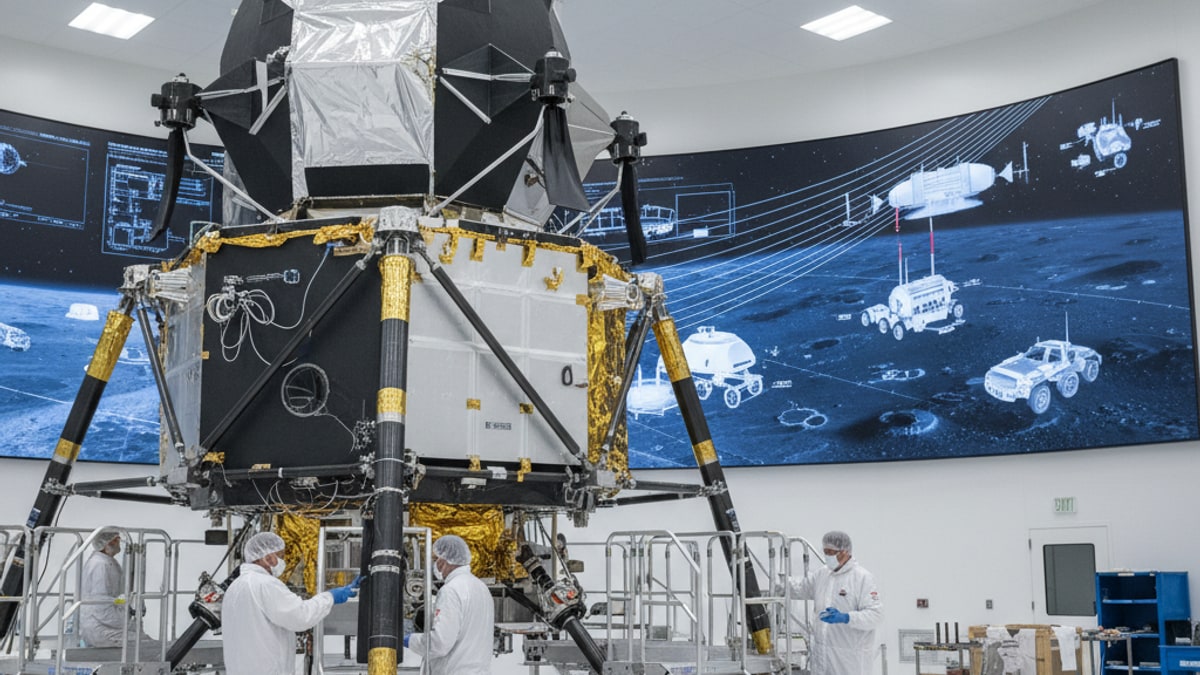
Instead of battling for low Earth orbit, Blue Origin is redirecting its capital and engineering talent entirely toward the Moon. The company recently secured a $94 million NASA contract to deliver a nuclear-powered rover to the lunar south pole and is heavily invested in its Blue Moon lander program for the Artemis missions. By stepping away from the space station race, Blue Origin is betting that cislunar logistics and lunar surface infrastructure—including its "Blue Alchemist" project to manufacture solar cells from lunar regolith—will offer a faster or more lucrative path to commercial viability.
The exit dramatically reshapes the competitive landscape for commercial space stations. With Northrop Grumman having already withdrawn its independent concept, the field is now largely left to Voyager Space, Axiom Space, and Vast. For the broader space economy, Blue Origin's retreat underscores a harsh reality: even the most well-capitalized private space ventures are finding that developing heavy-lift rockets, lunar landers, and orbital habitats simultaneously is an unsustainable financial stretch.
INTELLIGENCE BRIEF
WHY IT MATTERS
Blue Origin's withdrawal highlights the immense capital constraints of deep tech, proving that even billionaire-backed scale-ups must choose between dominating low Earth orbit or pioneering lunar infrastructure.
WHO IS INVOLVED
Blue Origin, NASA, Sierra Space, Boeing, Voyager Space, Axiom Space
MARKET IMPACT
The decision narrows the field of contenders vying to replace the ISS, likely funneling future NASA commercial space station funding toward remaining players while intensifying competition in the lunar lander market.
This story was drafted with AI assistance and reviewed by TurkSpark editors before publication. Facts, figures, and names may be inaccurate — verify important details independently.

Radian Aerospace to Build 'Foundry 1' to Break the Supply Chain Bottleneck for Reusable Spacecraft Materials
Read
Agnikul Cosmos Commits $60M to Build Orbital AI Data Centers in India
Read