Mira Murati'nin Thinking Machines'ı Açık Ağırlıklı Yapay Zeka Modeli 'Inkling'i Piyasaya Sürdü
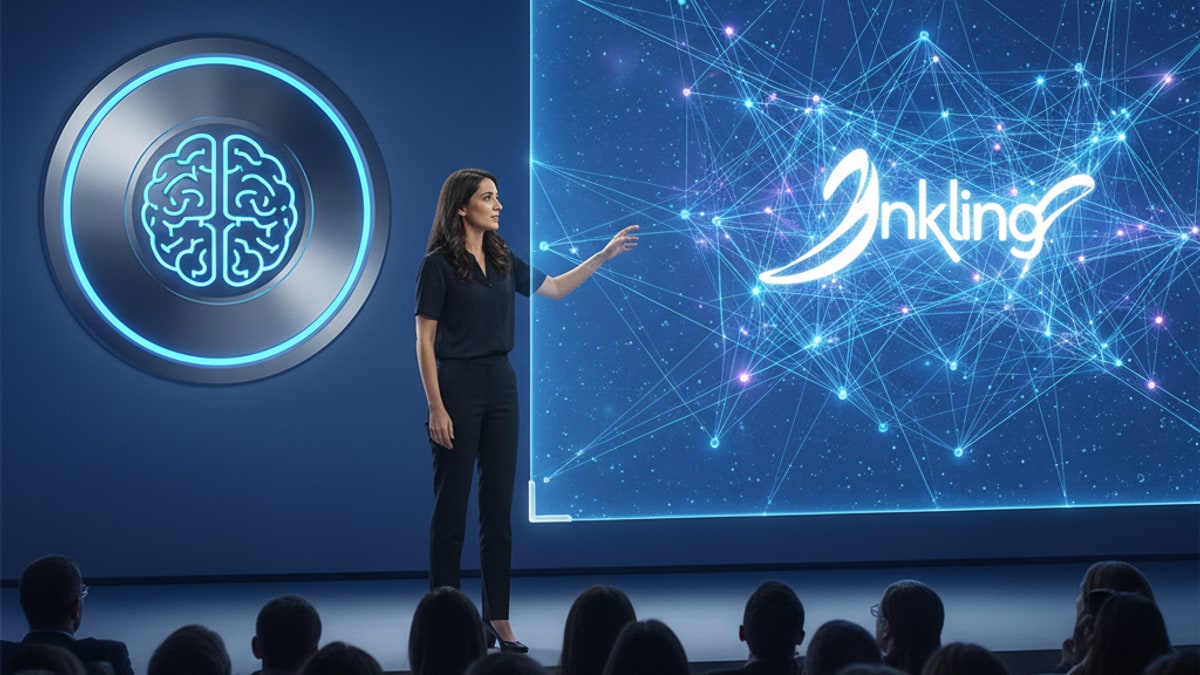
Yapay zeka sektöründe önemli bir gelişme yaşanıyor: OpenAI'ın eski CTO'su Mira Murati liderliğindeki Thinking Machines Lab, güçlü ve açık ağırlıklı temel modeli Inkling'i tanıttı. Bu hamle, tescilli yapay zeka sistemlerine doğrudan bir meydan okuma niteliği taşıyor ve ileri düzey yapay zeka yeteneklerine erişimi demokratikleştirmeyi hedefliyor.
Yapay zeka dünyası, Thinking Machines Lab'ın açık ağırlıklı temel modeli Inkling'i tanıtmasıyla önemli bir dönüm noktasına ulaşıyor. OpenAI'ın eski CTO'su Mira Murati tarafından kurulan bu şirket, tescilli yapay zeka sistemlerine meydan okuyarak, geliştiricilere ve araştırmacılara temel mimarisine tam erişim sağlıyor. Bu yaklaşım, sektördeki birçok devin kapalı kaynak modellerine karşı bir alternatif sunarak, işbirlikçi yapay zeka gelişiminde yeni bir dönemi başlatabilir.
Inkling, multimodal bir uzman karışımı (MoE) transformatör olarak tasarlandı ve 975 milyar toplam parametre ile 41 milyar aktif parametreye sahip. Metin, görsel, ses ve video dahil olmak üzere 45 trilyon token'lık geniş bir veri seti üzerinde eğitildi ve bir milyon token'a kadar bağlam penceresini destekliyor. Thinking Machines, daha geniş erişilebilirlik için Inkling-Small adında daha küçük bir sürümünü de piyasaya sürdü.
Inkling'in açık ağırlıklı yapısı, geliştiricilerin ve araştırmacıların modeli özgürce indirip çalıştırmasına ve özelleştirmesine olanak tanıyor. Bu, tescilli yazılımlarla gelen kısıtlamaları ortadan kaldırıyor ve yenilikçilik için kritik bir esneklik sunuyor. Model, Thinking Machines'ın kendi Tinker platformunun yanı sıra Hugging Face gibi popüler geliştirici platformlarında da mevcut ve NVIDIA Blackwell sistemleri için optimize edildi.
Thinking Machines, Inkling'in genel amaçlı bir yapay zeka olarak tasarlandığını vurguluyor. Model, muhakeme, kodlama, ajanik araç kullanımı, talimat takibi, gerçeklik ve multimodal anlama (görsel ve işitsel) gibi kritik alanlarda yetenekli. Bu geniş kullanım alanı, onu çeşitli endüstriyel ve akademik uygulamalar için değerli bir varlık haline getiriyor.
Eski bir OpenAI yöneticisi tarafından yönetilen bir ekibin açık ağırlıklı bir model yayınlama kararı, yapay zekada şeffaflığı ve topluluk odaklı yeniliği teşvik eden alternatiflere olan artan talebi gösteriyor. Bu adım, gelişmiş yapay zeka çözümleri geliştirmek için giriş engellerini önemli ölçüde azaltabilir ve daha çeşitli ve rekabetçi bir ekosistemi teşvik edebilir. Böyle güçlü bir aracın kullanılabilirliği, tescilli kısıtlamalar nedeniyle engellenebilecek çığır açan gelişmeleri hızlandırabilir.
İSTİHBARAT ÖZETİ
NEDEN ÖNEMLİ
Bu lansman, açık kaynak yapay zeka modellerine yönelik artan bir eğilimi işaret ediyor ve tescilli sistemlerin yerleşik hakimiyetine meydan okuyor. Daha geniş bir geliştirici ve kuruluş yelpazesine gelişmiş yapay zeka ile yenilik yapma gücü vererek, ileri teknolojilere erişimi demokratikleştirebilir ve daha rekabetçi ve şeffaf bir yapay zeka ekosistemi oluşturabilir.
KİMLER DAHİL
Mira Murati (Kurucu ve CEO, Thinking Machines Lab), Thinking Machines Lab, OpenAI (Murati'nin eski işvereni), NVIDIA (Inkling Blackwell sistemleri için optimize edildi), Hugging Face (modelin yayınlandığı platform), Together AI, Fireworks, Modal, Databricks, Baseten (diğer platformlar).
PAZAR ETKİSİ
Mira Murati gibi önde gelen bir isimden güçlü, açık ağırlıklı multimodal bir yapay zeka modelinin piyasaya sürülmesi, temel model alanındaki rekabeti artırıyor. Bu durum, açık kaynak çözümlerinin kurumsal alanda benimsenmesini hızlandırabilir ve tescilli model sağlayıcılarını daha fazla yenilik yapmaya veya erişim stratejilerini yeniden gözden geçirmeye itebilir, bu da nihayetinde daha geniş yapay zeka geliştirme topluluğuna fayda sağlayacaktır.
Bu içerik yapay zeka desteğiyle hazırlanmış, yayın öncesi diğer yapay zeka editörleri tarafından gözden geçirilmiştir. Bilgiler hatalı olabilir — önemli detayları bağımsız kaynaklardan doğrulayın.
ERP.io, İş Operasyonlarını Birleştiren YZ-Yerel Platformunu Tanıttı
Oku
Anthropic, Yapay Zekayı Fiziksel Dünya Robotikleriyle Birleştiren Model Donanım Standardını Tanıttı
Oku