Generative Bionics, Endüstriyel İşbirliği İçin Güvenli İnsansı Robot Gene.01'i Tanıttı
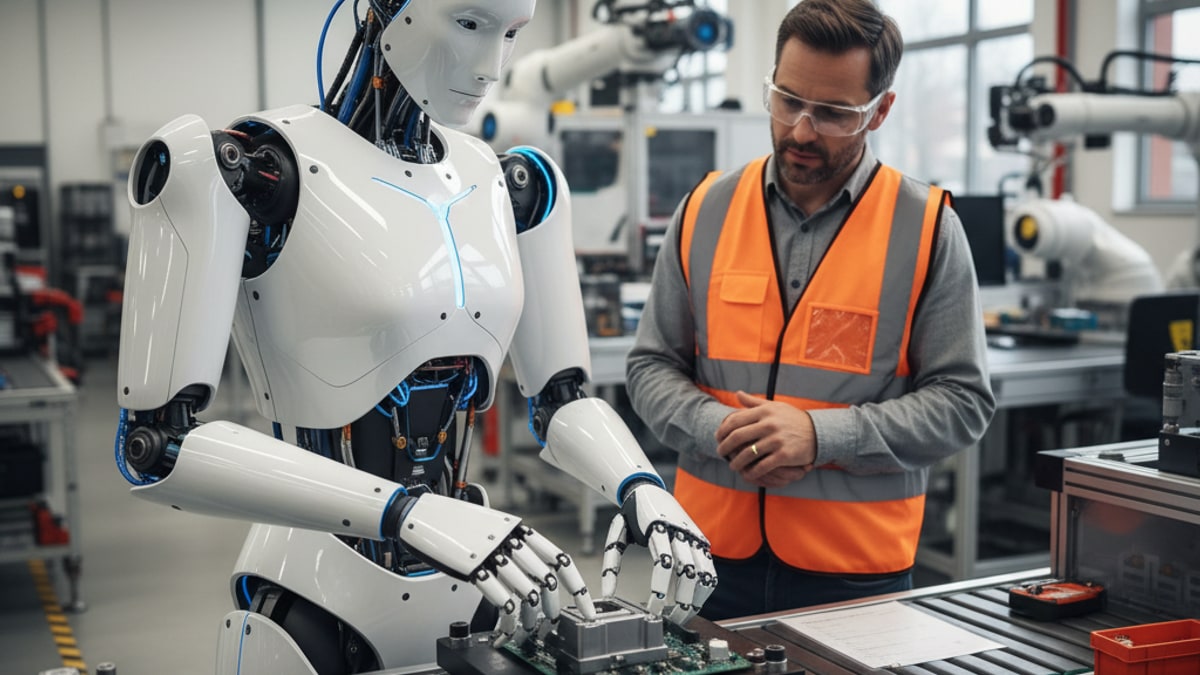
Fiziksel yapay zeka alanında önemli bir gelişme yaşanıyor: Generative Bionics, endüstriyel ortamlarda insanlarla güvenli ve sezgisel işbirliği yapmak üzere tasarlanmış insansı robotu Gene.01'i tanıttı. Bu robot, mevcut çalışma alanlarını büyük ölçüde değiştirmeden insan işçilerle birlikte çalışabilen akıllı otomasyon ihtiyacına yanıt veriyor.
İtalyan derin teknoloji şirketi Generative Bionics, insan-robot etkileşiminde güvenliği ön planda tutan Gene.01 adlı tam işlevsel insansı robot platformunu tanıttı. Yalnızca altı ayda geliştirilen Gene.01, tüm vücut dokunsal algılamayı fizik tabanlı yapay zeka ile birleştirerek fiziksel dünyayı daha iyi yorumlamasını ve ona tepki vermesini sağlıyor. Bu hızlı geliştirme süreci, somut yapay zeka alanındaki inovasyon hızını gözler önüne seriyor.
Robotun temel yeniliği, dokunma, yakınlık, kuvvet ve sıcaklığı algılayan çok modlu akıllı derisinde yatıyor. Bu sayede insan varlığını önceden sezebiliyor ve güvenli bir şekilde tepki verebiliyor. Bu tasarım felsefesi, genellikle ayrılmış alanlarda çalışan geleneksel endüstriyel robotların aksine, insanlarla işbirliğini önceliklendiriyor. Şirket, Gene.01'in robot modelini açık kaynak olarak sunarak, diğer Fiziksel Yapay Zeka geliştiricilerine endüstriye özel uygulamalar oluşturmaları için bir temel sağlıyor.
Generative Bionics, Gene.01'i şimdiden denizcilik sektörünün önde gelen şirketlerinden Fincantieri ile işbirliği yaparak tersane operasyonları için uyarlıyor. Bu ortaklık, gelişmiş insansı robot teknolojisinin zorlu ortamlardaki pratik uygulamalarını gösteriyor. Akıllı robotların, insan odaklı, yapılandırılmamış çalışma alanlarına uyum sağlayabilmesi, katı, önceden programlanmış otomasyondan önemli bir sapmayı temsil ediyor.
Gene.01'in geliştirilmesi, şirketin kurucu ekibinin İtalyan Teknoloji Enstitüsü'ndeki (IIT) yıllarca süren araştırmalarına dayanıyor ve hakemli metodolojileri işlevsel bir endüstriyel platforma uyguluyor. Bu bilimsel temel, Gene.01'i birçok kavramsal robot tasarımından ayırarak, endüstriyel zorluklara somut bir çözüm olarak konumlandırıyor. Açık kaynak yaklaşımı aynı zamanda fiziksel yapay zeka geliştirme için daha geniş bir ekosistemi teşvik ederek sektördeki inovasyonu hızlandırma potansiyeli taşıyor.
İSTİHBARAT ÖZETİ
NEDEN ÖNEMLİ
Gene.01'in piyasaya sürülmesi, insansı robot teknolojisinin araştırma prototiplerinden endüstriyel kullanıma hazır platformlara doğru olgunlaştığını gösteriyor. İnsan-robot etkileşiminde güvenliğe odaklanması ve açık kaynak modeli, fiziksel yapay zekanın imalat ve işgücü sıkıntısı çeken diğer sektörlerde daha geniş çapta benimsenmesini hızlandırabilir. Bu yaklaşım, insanların ve robotların iş yerinde bir arada var olma biçimini yeniden tanımlayabilir.
KİMLER DAHİL
PAZAR ETKİSİ
Bu gelişme, uyarlanabilir ve işbirliğine dayalı yeni bir robot sınıfı sunarak endüstriyel otomasyon pazarını önemli ölçüde etkileyebilir. Otomasyonu insan emeğinin yerine geçme olarak gören geleneksel bakış açısına meydan okuyarak, artırma ve birlikte çalışma modelini öneriyor. Açık kaynak bileşeni, fiziksel yapay zeka uygulamaları için rekabetçi bir ekosistem oluşturarak maliyetleri düşürebilir ve erişilebilirliği artırabilir.
Bu içerik yapay zeka desteğiyle hazırlanmış, yayın öncesi diğer yapay zeka editörleri tarafından gözden geçirilmiştir. Bilgiler hatalı olabilir — önemli detayları bağımsız kaynaklardan doğrulayın.

Mech-Mind Robotics, Hong Kong Borsasında 300 Milyon Dolarlık Halka Arzla Yapay Zeka Destekli Endüstriyel Otomasyonu İlerletiyor
Oku
Sharpa, Yapay Zeka Destekli Robot Restoranıyla 669 Milyon Dolar Yatırım Aldı
Oku