ZeroBionic Empowers Deaf Students with AI-Powered Robotic Sign Language Translators
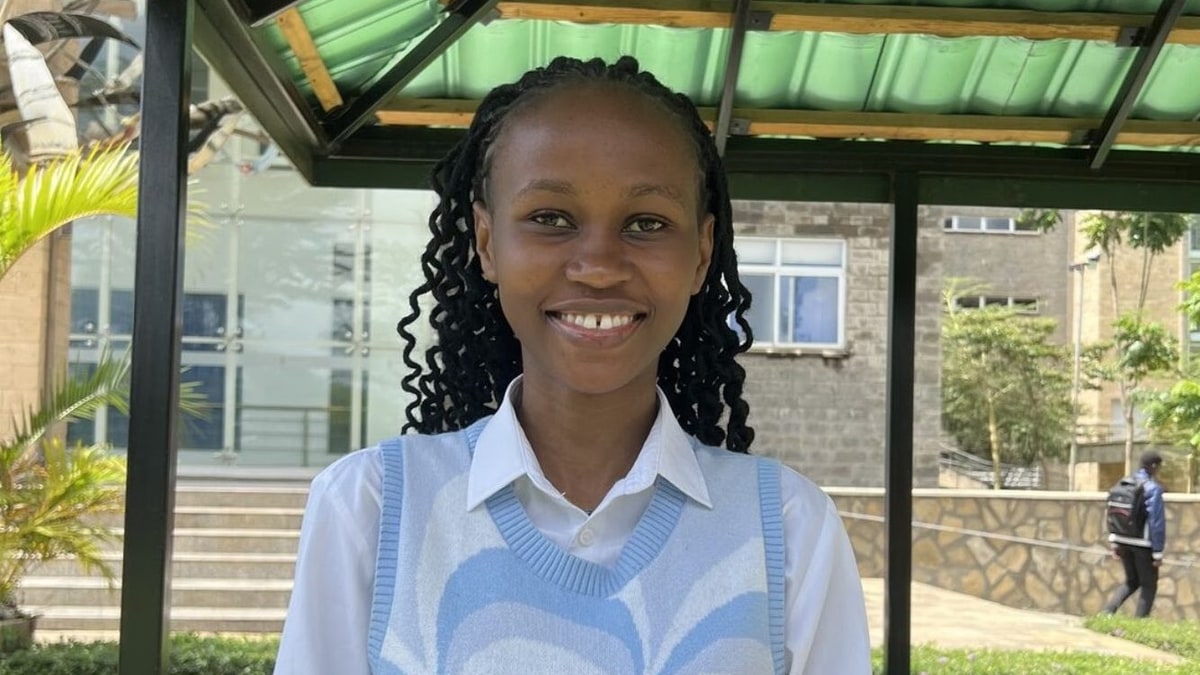
A Kenyan startup is leveraging artificial intelligence and robotics to break down educational barriers for deaf children, developing robotic limbs that translate spoken and written content into real-time sign language. This innovation addresses a critical need for accessible STEM education in underserved communities.
The core of ZeroBionic's technology is a mechanical hand, or exoskeleton, that uses natural language processing and machine learning to convert speech and text into sign language gestures. Unlike traditional avatar or video-based tools, this robotic hand offers real-time, physical interpretation with a 92% accuracy rate and a translation speed under two seconds. This system is particularly designed for low-resource environments, operating offline and adapting to local sign dialects, which is crucial for its deployment across diverse African communities.
Co-founded by Norah Kimathi and Salome Makasi, ZeroBionic has already deployed its robotic limbs in 78 schools across Kenya, reaching thousands of students. The company also focuses on sustainability, manufacturing the devices using 3D printing from recycled plastics, which significantly reduces production costs to approximately $350 per unit. Beyond direct translation, the initiative is actively building a comprehensive database of technical terms in various sign languages, addressing a long-standing challenge in standardizing African sign language datasets.
The impact of ZeroBionic's work extends beyond the classroom, fostering greater inclusion and opening up STEM career pathways for deaf students who previously faced significant educational limitations. The startup's innovative efforts have garnered international recognition, including selection for Qualcomm's 2026 Make in Africa Mentorship Program, highlighting its potential to drive assistive technology advancements globally. This blend of social impact, technological innovation, and sustainable practices positions ZeroBionic as a notable player in the global assistive technology landscape.
INTELLIGENCE BRIEF
WHY IT MATTERS
This development is significant because it demonstrates how advanced robotics and AI can be applied to solve pressing social challenges, particularly in underserved communities. By making STEM education accessible to deaf children, ZeroBionic is not only empowering individuals but also contributing to a more inclusive and skilled future workforce.
WHO IS INVOLVED
ZeroBionic (startup), Norah Kimathi (co-founder), Salome Makasi (co-founder), Qualcomm (partner).
MARKET IMPACT
The assistive technology market, especially for education, stands to benefit from ZeroBionic's cost-effective and culturally adaptive solutions. Its success could inspire further investment and innovation in AI-powered tools that cater to specific regional needs and language variations, moving beyond generic solutions.
This story was drafted with AI assistance and reviewed by TurkSpark editors before publication. Facts, figures, and names may be inaccurate — verify important details independently.
General Robotics' GRID Platform Automates Robot Deployment, Cutting Setup Time from Months to Hours
Read
NEURA Robotics and SECO Partner to Industrialize Physical AI in Europe
Read