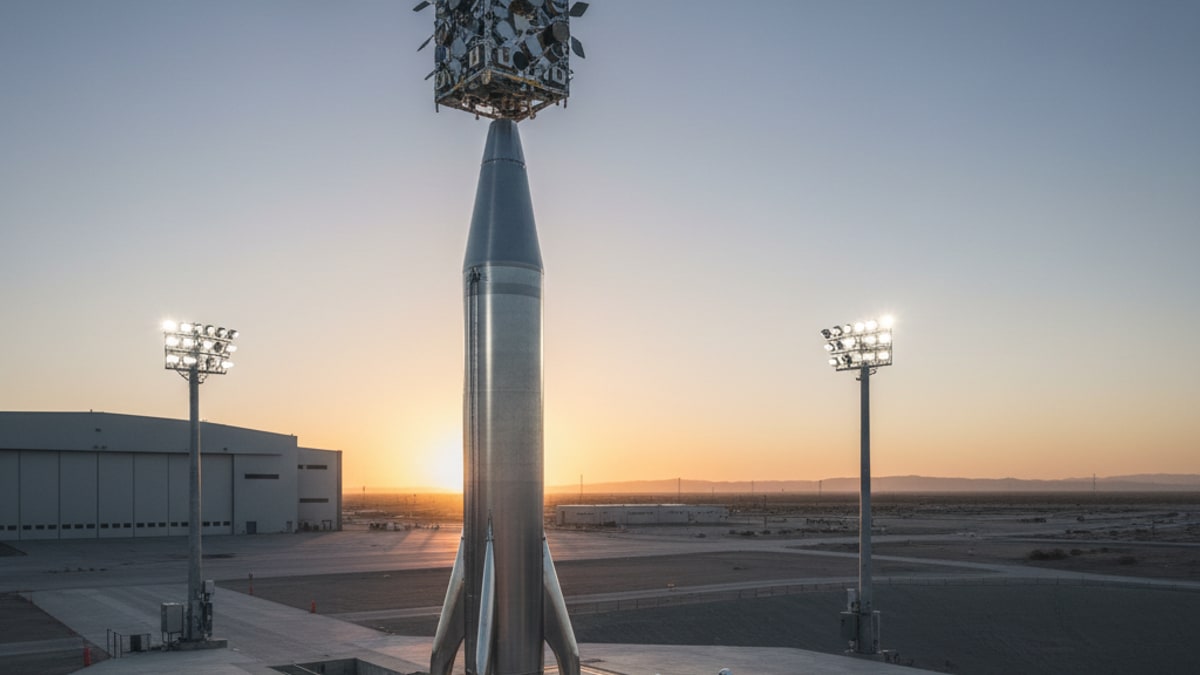
Sagittarius Logistics Secures $1.2M Pre-Seed to Build Inland Reusable Rockets
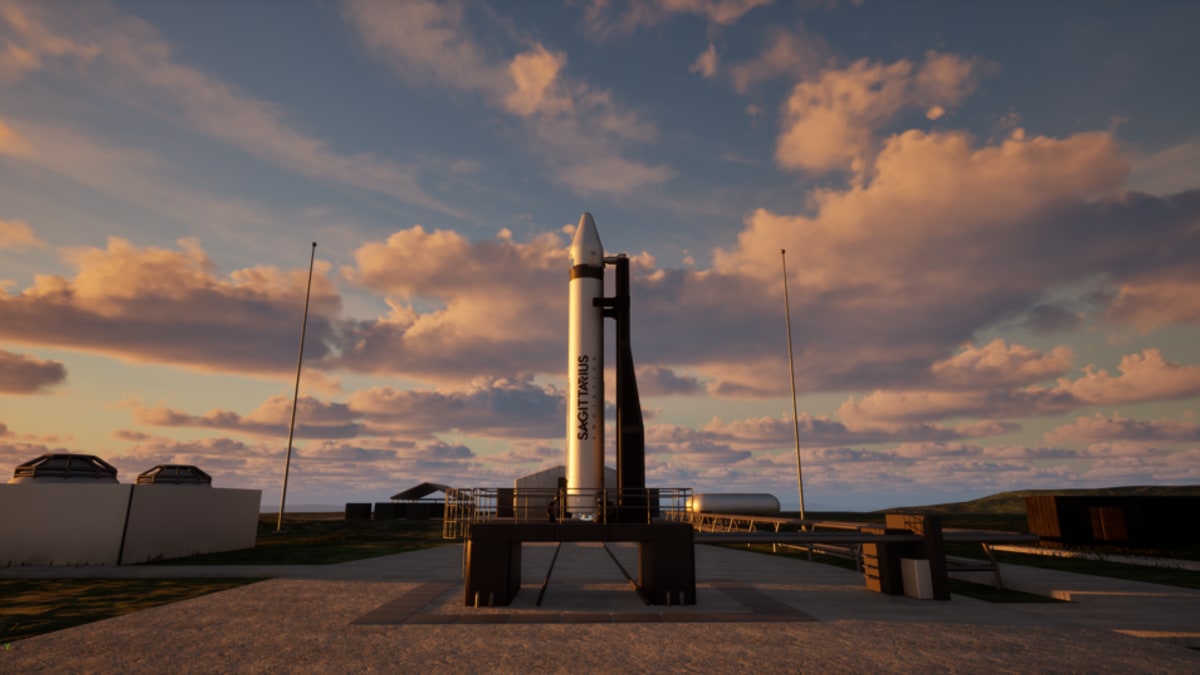
As the commercial space industry faces a severe bottleneck at coastal launch pads, Colorado-based Sagittarius Logistics has emerged with $1.2 million to develop reusable rockets designed specifically for safe inland launches.
The space economy is currently constrained by physical real estate, with overcrowded coastal spaceports limiting how frequently companies can reach orbit. Founded by veterans of Masten Space Systems and SpaceX, Sagittarius Logistics has secured a $1.2 million pre-seed round backed by Nova Threshold, Felicis Scout Fund, Ingenuity VC, and Space Venture Studios to bypass this geographic bottleneck.
Rather than simply building another conventional launch vehicle, the startup is engineering rockets capable of safe mid-flight aborts. If an anomaly occurs, traditional rockets must be destroyed over the ocean. Sagittarius's architecture allows the fully reusable first and second stages to throttle back, separate, and autonomously land at downrange locations or back at the pad.
This fail-safe mechanism is designed to meet the stringent safety requirements necessary for flying over populated landmasses. The company is currently acquiring hardware for its suborbital pathfinder vehicle, Yellowstone, which is slated for a test flight in mid-2027.
By proving that rockets can safely launch and abort from non-coastal sites, Sagittarius aims to unlock entirely new launch corridors. If successful, this approach could transition orbital delivery from a scarce, heavily scheduled event into a daily logistics service.
INTELLIGENCE BRIEF
WHY IT MATTERS
Opening inland launch sites would dramatically increase the total volume of available launch windows, removing a critical physical constraint on the growing commercial space sector.
WHO IS INVOLVED
Jonathan Slavik (CEO), Dave Masten (CTO), Jenna Edwards (COO), Dan Sinkel (VP Production)
MARKET IMPACT
As satellite constellations demand more frequent replenishment, launch providers that can bypass crowded coastal spaceports will gain a significant operational advantage.
This story was drafted with AI assistance and reviewed by TurkSpark editors before publication. Facts, figures, and names may be inaccurate — verify important details independently.
Rocket Lab Hits 100th Electron Launch, Setting New Speed Record for Commercial Rockets
Read
Radian Aerospace to Build 'Foundry 1' to Break the Supply Chain Bottleneck for Reusable Spacecraft Materials
Read