Ray Kurzweil Joins Subsense to Advance Non-Surgical Brain-Computer Interfaces
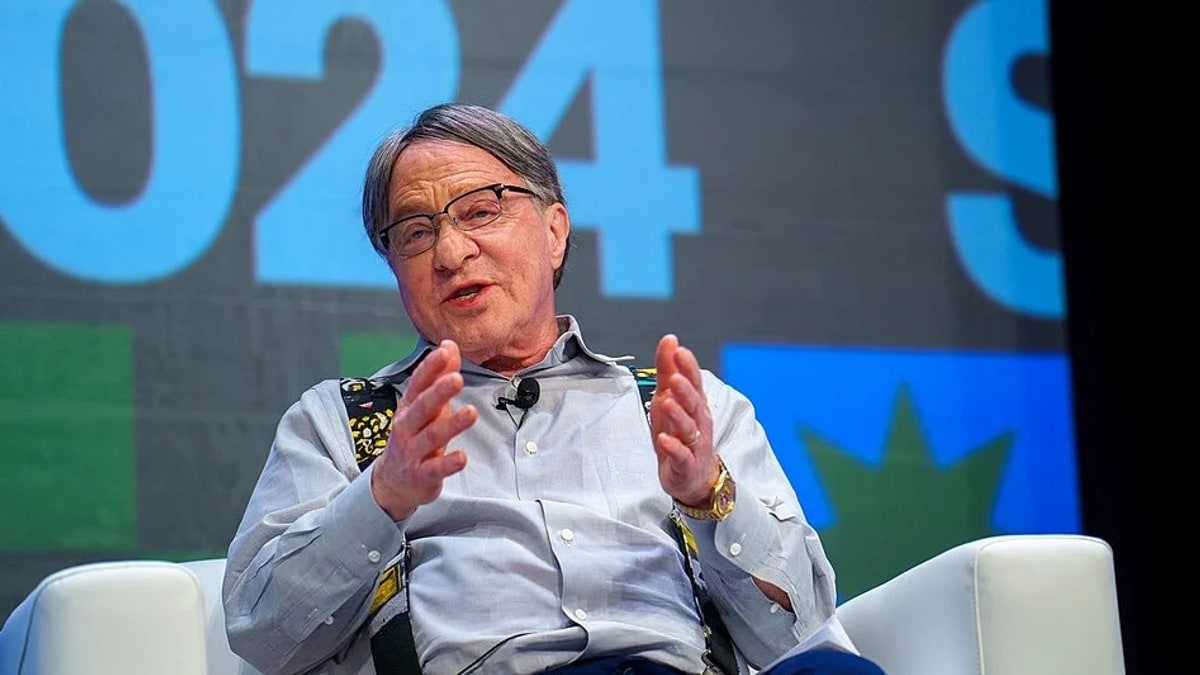
The neurotechnology sector is witnessing a significant shift as AI visionary Ray Kurzweil joins Subsense, a startup developing non-surgical brain-computer interfaces, indicating a strong push towards more accessible human-AI integration. This collaboration could accelerate the development of technologies that allow direct neural access without invasive procedures.
The convergence of artificial intelligence and neurotechnology is accelerating, with significant implications for how humans interact with technology and address neurological conditions. A key development in this rapidly evolving field is the recent announcement that renowned futurist and AI pioneer Ray Kurzweil has joined Subsense, a neurotechnology startup, as a product and vision advisor. This move signals growing confidence in non-surgical brain-computer interfaces (BCIs) and highlights the potential for AI to unlock new frontiers in human cognition and health.
Subsense is developing a non-surgical, nanoparticle-based brain-computer interface (BCI) that aims to read neural activity and stimulate neurons without the need for invasive surgery. Unlike existing BCI approaches that require electrode implantation, Subsense's technology involves intranasal administration of engineered nanoparticles that cross the blood-brain barrier. These particles then interact with an external wearable device, allowing for bidirectional communication with the brain. The company has already raised $27 million in seed funding and is currently in preclinical stages, with initial medical applications targeting conditions like Parkinson's disease and ALS.
Ray Kurzweil, known for his decades-long work on the convergence of AI, nanotechnology, and the human brain, will advise Subsense on its long-term product and technology roadmap. His involvement is expected to help shape how the platform evolves beyond its initial medical focus towards broader applications in human-computer interaction. Subsense's approach uses plasmonic nanoparticles for reading neural signals and magnetoelectric particles for stimulation, converting applied magnetic fields into local electrical effects. The company aims for clinical pilots in 2027-2029, with a clinical product envisioned for 2029-2031, and a consumer brain interface from 2031 onwards.
This development underscores a broader industry trend towards less invasive and more accessible neurotechnology. While companies like Neuralink pursue surgical implants, and Synchron uses endovascular approaches, Subsense is betting on a completely non-surgical method. The challenge for Subsense will be to demonstrate the safety, reliability, and efficacy of its nanoparticle-based system in human trials, especially given that its products currently lack FDA marketing authorization and performance claims have not been evaluated by the agency.
INTELLIGENCE BRIEF
WHY IT MATTERS
Ray Kurzweil's advisory role at Subsense brings significant credibility and attention to the non-surgical BCI space, suggesting a future where brain interfaces could become more accessible. This move validates the potential of nanoparticle-based neurotechnology as a less invasive alternative to existing BCI solutions. It also highlights the increasing intersection of AI and neurotech in addressing complex neurological conditions and potentially augmenting human cognition.
WHO IS INVOLVED
Subsense, Ray Kurzweil, Tetiana Aleksandrova (CEO & Co-Founder of Subsense)
MARKET IMPACT
This development could intensify competition in the burgeoning BCI market, particularly in the non-invasive segment. If Subsense successfully demonstrates the safety and efficacy of its technology, it could disrupt the neurotech landscape by offering a compelling alternative to surgical implants, potentially expanding the addressable market for brain interfaces significantly. The focus on AI-native design also signals a future where BCIs are deeply integrated with advanced AI systems, paving the way for novel human-AI interaction paradigms.
This story was drafted with AI assistance and reviewed by TurkSpark editors before publication. Facts, figures, and names may be inaccurate — verify important details independently.
Nscale Commits Up to $6 Billion in Compute to Power Figure's Humanoid Robots
Read
Nscale Pursues $3.5 Billion to Scale AI Cloud Infrastructure
Read