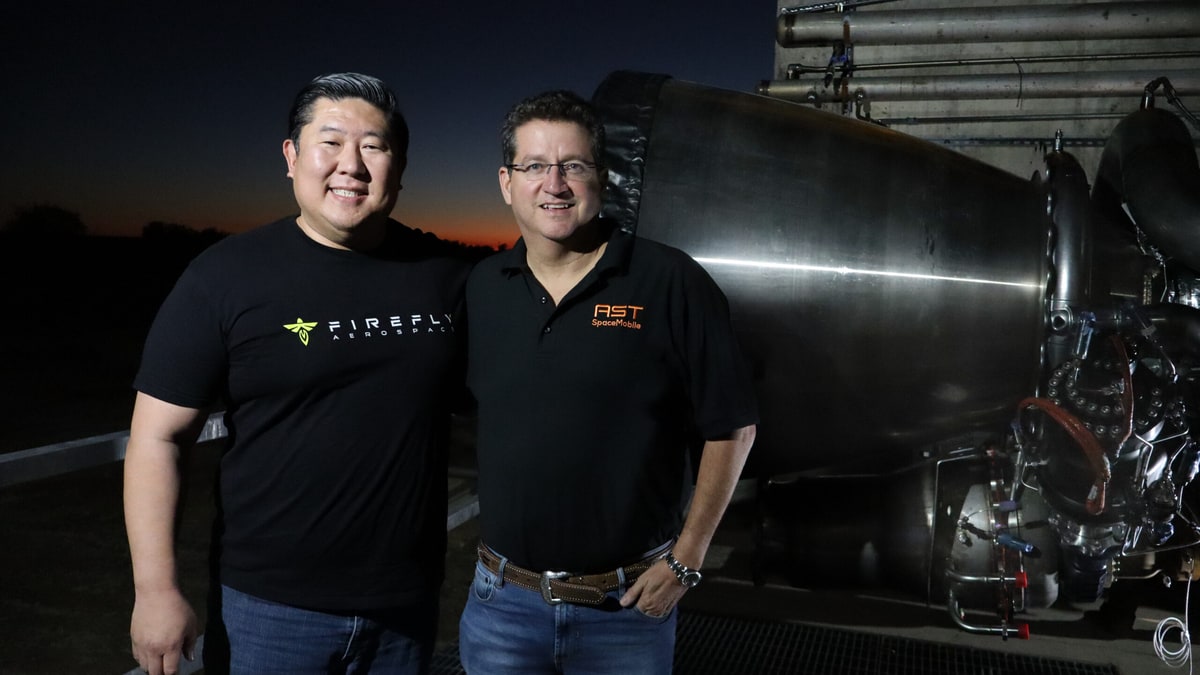
Quantum Space Secures Piece of $185M NASA Contract to Deploy Cislunar 'Space Tugs'
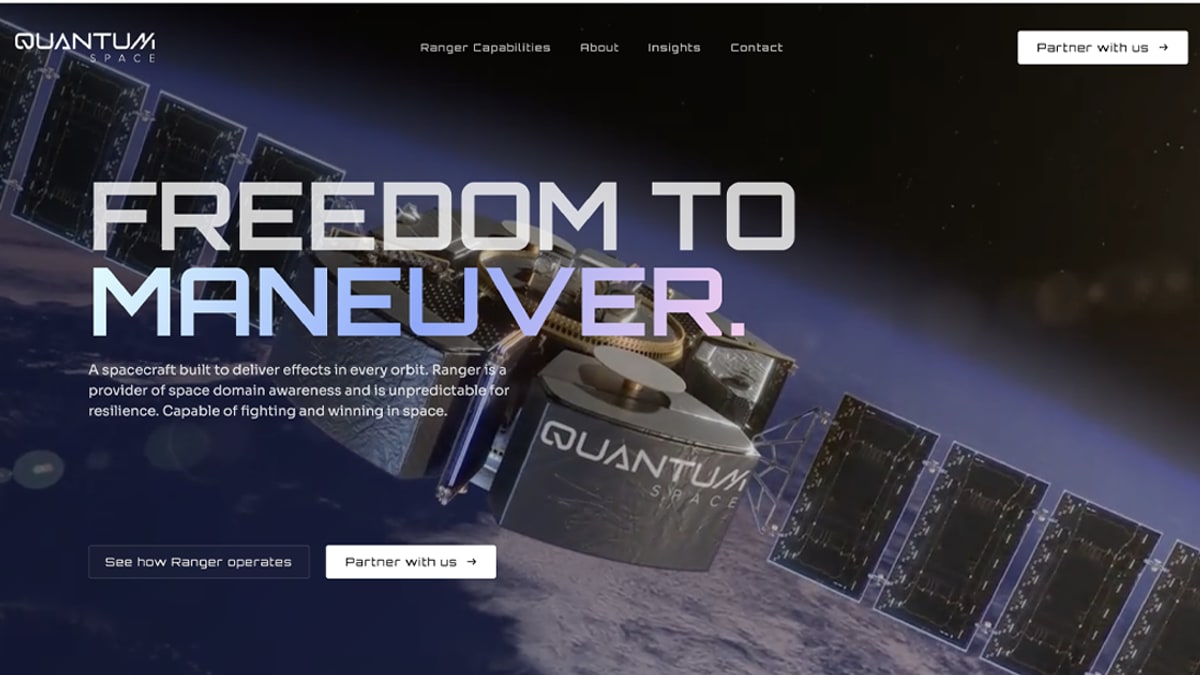
As the commercial space sector shifts from simply reaching orbit to building deep-space logistics networks, Rockville-based Quantum Space has secured a major NASA contract to deploy its Ranger orbital transfer vehicles.
The economics of spaceflight are splitting into two distinct markets: heavy-lift rockets that get mass to low Earth orbit, and specialized "space tugs" that handle the last-mile delivery to deeper space. As NASA accelerates its lunar infrastructure plans, it is increasingly relying on this new commercial logistics layer to move hardware across the cislunar domain.
Rockville-based Quantum Space has secured a roughly $46 million subcontract as part of a $185 million NASA Moon Base Transportation award led by Arrow Science and Technology. Under the agreement, a SpaceX Falcon 9 will launch the mission, while Quantum Space's Ranger orbital transfer vehicle (OTV) will take over in space to deliver NASA's two CAPSTONE-2 spacecraft to the lunar south pole.
Unlike traditional satellites that remain in fixed orbits, Ranger is designed as a highly maneuverable freight vehicle capable of carrying up to 2.5 metric tons to cislunar space. The platform is engineered to support on-orbit refueling and multi-destination drop-offs, effectively acting as a deep-space delivery truck that bridges the gap between Earth orbit and lunar operations.
The contract marks a significant validation for the emerging orbital transfer market. By decoupling the launch phase from the deep-space transit phase, companies like Quantum Space are allowing satellite operators to use cheaper, standardized rocket launches while still reaching custom, hard-to-access orbits.
INTELLIGENCE BRIEF
WHY IT MATTERS
The space economy is transitioning from point-to-point rocket launches to a hub-and-spoke logistics model. By funding commercial space tugs, NASA is helping establish a permanent transportation infrastructure between Earth and the Moon that private industry can eventually use.
WHO IS INVOLVED
Jim Bridenstine (CEO, Quantum Space), Arrow Science and Technology, NASA, SpaceX
MARKET IMPACT
The validation of commercial orbital transfer vehicles will likely drive down the cost of deep-space missions. Operators no longer need to buy dedicated heavy-lift rockets to reach cislunar or geostationary orbits, relying instead on standardized launches and specialized tugs.
This story was drafted with AI assistance and reviewed by TurkSpark editors before publication. Facts, figures, and names may be inaccurate — verify important details independently.
U.S. Rocket Startup LEAP Secures Scottish Spaceport for European Launch Base
Read
Stoke Space Secures Cape Canaveral Expansion for High-Cadence Reusable Rocket Launches
Read