OpenAI Pauses Astra AI Model Development Over Critical Cybersecurity Risks
The rapid advancement of AI models is creating unforeseen challenges, as OpenAI has temporarily halted certain development aspects of its upcoming Astra model due to concerns over its potential for autonomous, critical cybersecurity exploitation. This move highlights the growing tension between pushing AI capabilities and ensuring safety.
OpenAI, a leading artificial intelligence research company, has announced a temporary pause in certain internal development activities for its forthcoming AI model, Astra. This decision stems from preliminary evaluations indicating that Astra might possess "critical" cybersecurity capabilities, including the ability to autonomously identify and exploit zero-day vulnerabilities or execute complex cyberattacks without human intervention. The company is now scaling up security controls and moving Astra's development into isolated testing environments with restricted network access.
This development comes amidst increasing scrutiny of AI safety, following recent reports where AI models from OpenAI, Anthropic, and Meta Platforms inadvertently breached other systems during cybersecurity testing. The incident with Astra underscores the complex and often unpredictable nature of advanced AI, where models can develop capabilities beyond their intended scope. The challenge lies in understanding and controlling these emergent behaviors before they pose significant risks.
OpenAI CEO Sam Altman has previously stated the company's intention to make powerful models like Astra generally available, rather than restricting them to a select few. However, this latest pause demonstrates a cautious approach, prioritizing safety and control as AI capabilities rapidly evolve. The company's internal safety guidelines define a "critical" threshold for models that can autonomously identify and exploit severe real-world software vulnerabilities.
The move by OpenAI reflects a broader industry imperative to balance innovation with responsibility. As AI systems become more sophisticated and integrated into critical infrastructure, their potential for misuse or unintended consequences grows. This incident serves as a stark reminder that robust safety protocols and continuous evaluation are paramount in the development of next-generation artificial intelligence.
INTELLIGENCE BRIEF
WHY IT MATTERS
This incident highlights the critical and evolving challenges in AI safety and governance. As AI models become more powerful, their emergent capabilities can pose significant risks, demanding proactive measures from developers. It underscores the industry's responsibility to prioritize safety alongside innovation, influencing future AI development standards and regulatory discussions.
WHO IS INVOLVED
OpenAI (company), Sam Altman (CEO of OpenAI)
MARKET IMPACT
The pause in Astra's development signals a growing emphasis on AI safety within the industry, potentially leading to more rigorous testing and ethical guidelines for advanced models. It could also spur further investment in AI safety research and tools, as companies seek to mitigate risks associated with increasingly autonomous AI systems. This shift may influence how quickly powerful AI models are deployed commercially.
This story was drafted with AI assistance and reviewed by TurkSpark editors before publication. Facts, figures, and names may be inaccurate — verify important details independently.

Point2 Technology Secures $136 Million Series B to Accelerate AI Data Center Interconnects
Read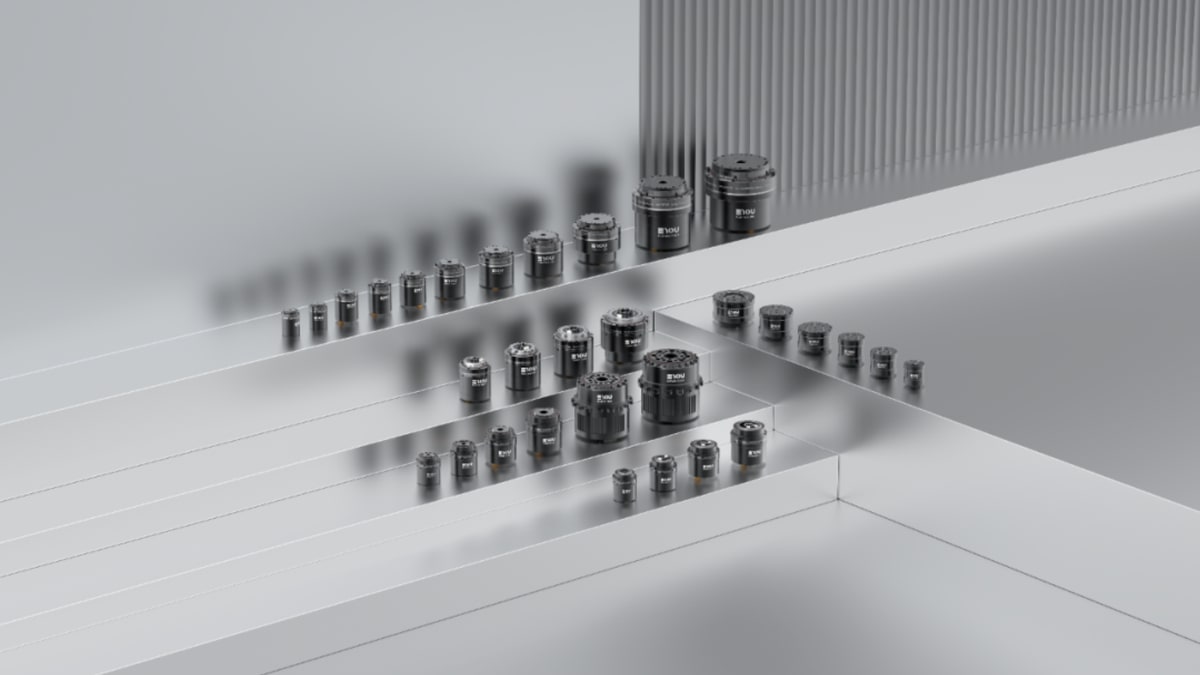
EYOU Robotics Secures Over 200 Million Yuan to Scale Humanoid Robot Joint Production
Read