LangChain Secures $300M at $3B Valuation to Build the Control Center for Enterprise AI Agents
As autonomous AI agents move from experimental scripts to production environments, Alphabet's CapitalG is placing a $300 million bet that LangChain will serve as the foundational infrastructure layer.
The enterprise AI market is rapidly maturing from experimental scripts to production-grade autonomous agents. To manage this shift, Alphabet's CapitalG has led a $300 million Series C into LangChain at a $3 billion valuation. The round, which includes backers like Singapore's GIC and DFJ Growth, more than doubles the startup's worth from just a year ago.
The fresh capital targets LangSmith, the company's flagship platform for deploying and governing AI agents. Rather than locking enterprises into a single foundation model, LangSmith provides a framework-agnostic control center to manage runtimes, evaluate performance, and enforce strict data governance. For example, if an AI agent is tasked with updating customer records, the platform ensures it only accesses authorized databases and stays within predefined limits.
As autonomous agents proliferate across corporate networks, IT teams are demanding the same observability they expect from traditional software. Unlike closed ecosystems, LangChain's open-architecture approach allows enterprises to swap underlying models while maintaining a unified management layer. With over 7,000 organizations already using the platform, LangChain is positioning itself as the essential orchestration engine for the agentic AI era.
INTELLIGENCE BRIEF
WHY IT MATTERS
The massive funding round underscores a broader industry shift: as AI agents gain autonomy, enterprises are prioritizing governance, observability, and model-agnostic infrastructure over single-vendor lock-in.
WHO IS INVOLVED
LangChain, CapitalG, GIC, DFJ Growth, IVP, Sapphire Ventures
MARKET IMPACT
LangChain's $3 billion valuation cements its position as the de facto standard for agent orchestration, putting pressure on closed-ecosystem providers to offer better interoperability.
This story was drafted with AI assistance and reviewed by TurkSpark editors before publication. Facts, figures, and names may be inaccurate — verify important details independently.
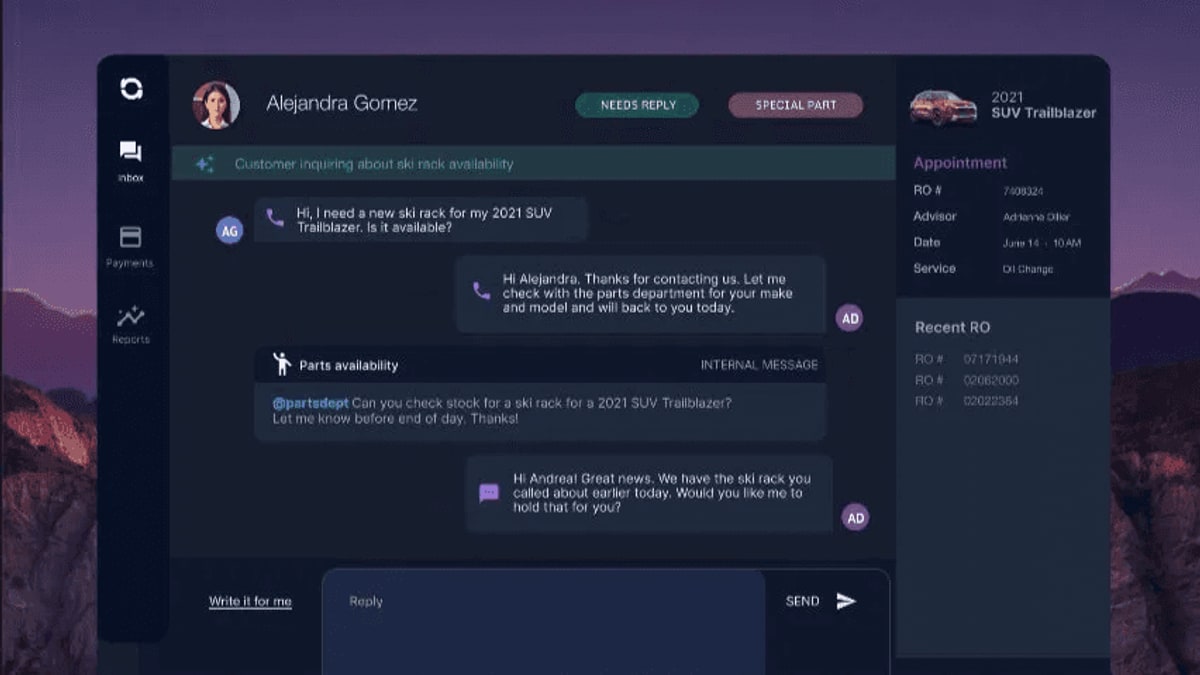
Numa Secures $45M at $500M Valuation to Run Auto Dealerships With AI Agents
Read
Istanbul-Based AI Startup Loxi Matches Frontier Models on JobBench With a Small Domain-Specific Model
Read