Apple Sues OpenAI for Trade Secret Theft Amidst AI Device Race
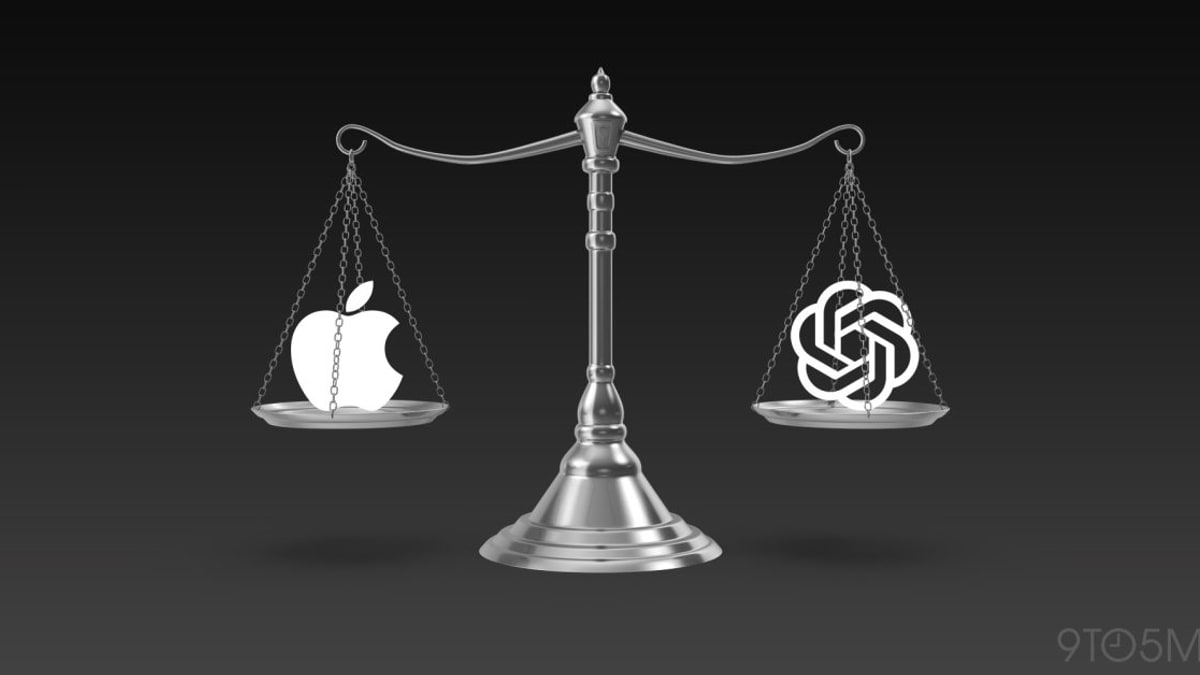
The intensifying competition in the burgeoning AI device market has escalated dramatically, with Apple filing a lawsuit against leading AI startup OpenAI for alleged trade secret theft. This legal battle underscores the high stakes as tech giants race to define the next generation of intelligent hardware.
Apple Inc. has initiated legal action against OpenAI, accusing the artificial intelligence startup and its chief hardware officer, Tang Tan, of orchestrating a campaign to steal confidential information regarding Apple's unreleased products. The lawsuit, filed on Friday, alleges that OpenAI encouraged former Apple employees to share proprietary components, designs, and other materials to aid in the development of its own AI device ecosystem.
This move marks a significant escalation in the relationship between the two companies, which previously collaborated on integrating OpenAI's AI features into Apple products. Apple claims that "significant evidence" suggests individuals employed by OpenAI wrongfully acquired its secret information. The iPhone maker is seeking an injunction to prevent further evidence destruction, the return of all trade secrets, and damages, demanding OpenAI redesign its upcoming products to exclude any allegedly stolen technology.
OpenAI, which acquired Jony Ive's io studio for $6.4 billion in May 2025 to bolster its hardware ambitions, has denied the allegations, stating it has "no interest in other companies' trade secrets" and remains focused on building innovative technology. The lawsuit highlights the cutthroat environment in Silicon Valley as companies like Apple, OpenAI, and Meta Platforms vie to establish dominance in a post-smartphone future centered on AI-powered devices.
The legal challenge also brings to light the delicate balance between talent acquisition and intellectual property protection in a rapidly evolving sector. As former Apple Vice President of Product Design, Tang Tan's move to OpenAI as chief hardware officer, followed by other ex-Apple engineers, is central to Apple's claims. The outcome of this case could set precedents for how tech companies manage employee transitions and safeguard their innovations in the competitive AI landscape.
INTELLIGENCE BRIEF
WHY IT MATTERS
This lawsuit is a critical indicator of the escalating battle for dominance in the next generation of AI-powered hardware. It highlights how intellectual property and talent acquisition are becoming flashpoints as established tech giants and ambitious startups race to innovate beyond traditional computing platforms. The outcome could significantly influence future collaborations and competitive strategies in the AI device ecosystem.
WHO IS INVOLVED
Apple Inc., OpenAI, Tang Tan (OpenAI Chief Hardware Officer, former Apple VP of Product Design), Sam Altman (OpenAI CEO), Chang Liu (former Apple engineer, now at OpenAI), Jony Ive (designer whose io studio was acquired by OpenAI).
MARKET IMPACT
The lawsuit injects uncertainty into the rapidly evolving AI hardware market, potentially impacting investment and partnership dynamics. It signals a heightened focus on intellectual property protection and could lead to more stringent measures for employee mobility between competing AI firms. This legal precedent may reshape how innovation is pursued and protected in the competitive AI device landscape.
This story was drafted with AI assistance and reviewed by TurkSpark editors before publication. Facts, figures, and names may be inaccurate — verify important details independently.
NEURA Robotics Acquires Adlatus Robotics to Integrate AI into Cleaning Robots
Read
Chop Dawg Halves App Development Costs and Timelines with AI-Accelerated Engineering
Read