Ant Group's Lingbo Pioneers Data-Driven 'Robot Brains' in Embodied AI
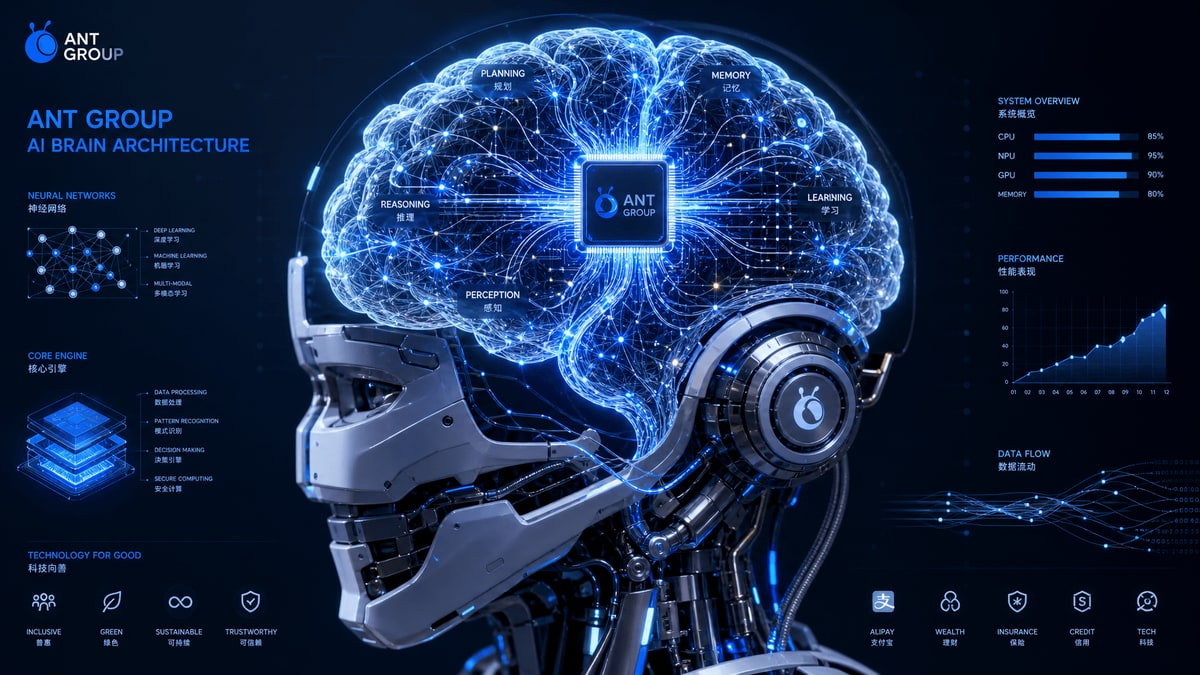
The embodied AI sector is witnessing a strategic shift as Ant Group's robotics subsidiary, Lingbo, is developing robot intelligence by leveraging its extensive payment ecosystem data and AI infrastructure, challenging the traditional hardware-first approach. This move highlights the growing importance of software and data advantages in shaping the future of robotics.
Ant Group's robotics subsidiary, Lingbo, is taking an unconventional path in the rapidly evolving field of embodied artificial intelligence. Instead of starting with robot hardware design and then integrating intelligence, Lingbo prioritizes the cognitive layer, building 'robot brains' that can navigate the complexities of the physical world. This strategy leverages Ant Group's deep expertise in high-frequency transaction processing and real-time decision-making, honed through its Alipay operations.
This approach fundamentally differs from many embodied AI startups that focus on hardware manufacturing first. Lingbo aims to repurpose Ant Group's core AI infrastructure, originally designed for financial services, for robotics applications. The goal is to create robot intelligence that offers the same reliability seen in processing billions of daily financial transactions, but applied to real-world physical interaction.
The robotics unit operates with significant autonomy within the larger Ant Group structure, attracting top talent from both AI research and the robotics industry. This internal startup model allows Lingbo to innovate rapidly while drawing on the vast resources and data insights of its parent company. The move signifies a broader trend where internet and financial technology giants are entering the embodied AI space, utilizing their software and data strengths rather than competing solely on hardware.
Lingbo's strategy could accelerate the development of more adaptable and robust robotic systems. By focusing on the intelligence core, they are positioning themselves to create versatile robot platforms that can be applied across various industries without being constrained by specific hardware designs. This shift could lead to more sophisticated robot behaviors and decision-making capabilities, moving beyond pre-programmed tasks to truly autonomous interaction.
INTELLIGENCE BRIEF
WHY IT MATTERS
Lingbo's strategy challenges the conventional wisdom in robotics by prioritizing software and data over hardware. This could lead to more flexible and scalable robot deployments, as the intelligence can adapt to various physical forms and tasks. It also signals a new wave of competition in embodied AI from companies with strong software and data foundations.
WHO IS INVOLVED
Lingbo, a robotics subsidiary of Ant Group.
MARKET IMPACT
This development could disrupt the embodied AI market by shifting the focus from hardware-centric development to software-defined robot intelligence. It may encourage other tech giants to leverage their existing data assets for robotics, fostering innovation and accelerating the deployment of more intelligent and versatile autonomous systems across industries.
This story was drafted with AI assistance and reviewed by TurkSpark editors before publication. Facts, figures, and names may be inaccurate — verify important details independently.

Honor's Lightning Humanoid Robot Breaks Usain Bolt's 100m Sprint Record
Read
Generalist AI Secures $200 Million to Advance One-Shot Robot Learning with Gen-1.5 Model
Read